

Photo Credit: Getty Images
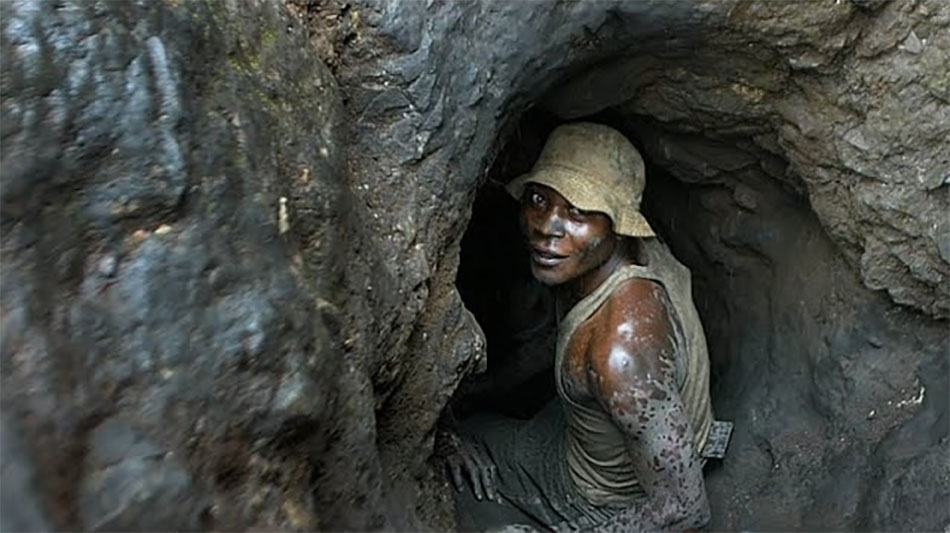
The Democratic Republic of Congo has taken a historic step toward transforming its artisanal cobalt sector by announcing the production of its first one thousand metric tons of fully traceable artisanal cobalt. The achievement, unveiled in Kolwezi by state owned subsidiary Entreprise Générale du Cobalt, represents a significant effort to regulate a sector long characterized by informality, vulnerability and limited transparency. As the country that supplies most of the world's cobalt, Congo holds enormous influence over the future of global battery production.
Congo possesses approximately seventy two percent of global cobalt reserves and contributes more than seventy four percent of global supply. A substantial portion of this production comes from artisanal mining, a sector that sustains up to two million workers and indirectly supports more than ten million people. Despite its economic importance, artisanal cobalt has often flowed through unregulated channels, making ethical sourcing difficult and creating perpetual uncertainty for international buyers.
The introduction of export quotas in October signaled a renewed determination to stabilize the market and reduce untracked exports. The quota system, overseen by regulator ARESCOM, limits raw cobalt exports and promotes local processing. The new traceability model implemented by EGC is designed to address long standing concerns related to environmental and labor conditions, while also strengthening the country's control over its strategic resources. At the ceremony, CEO Eric Kalala stated that each ton of cobalt must reflect both economic value and the dignity of the miners who extract it, a sentiment that underscores shifting priorities within the sector.
International demand for cobalt continues to rise, driven largely by electric vehicle manufacturing and energy storage technologies. Forecasts from the International Energy Agency project a forty percent increase in demand by 2030. This trend has intensified pressure on producers to ensure ethically sourced supply chains free from exploitation and unsafe practices. By producing traceable artisanal cobalt, Congo positions itself to meet the evolving expectations of global manufacturers who are increasingly unwilling to purchase materials lacking verified origins.
The inaugural one thousand tons symbolize a new direction for the industry, although EGC has yet to reveal how the material will be marketed or sold. Nevertheless, the initiative signals a major shift toward formalization, accountability and long term sustainability. If expanded successfully, the model could redefine Congo's artisanal mining landscape and strengthen its position at the heart of the global energy transition.