

Photo Credit: Getty Images
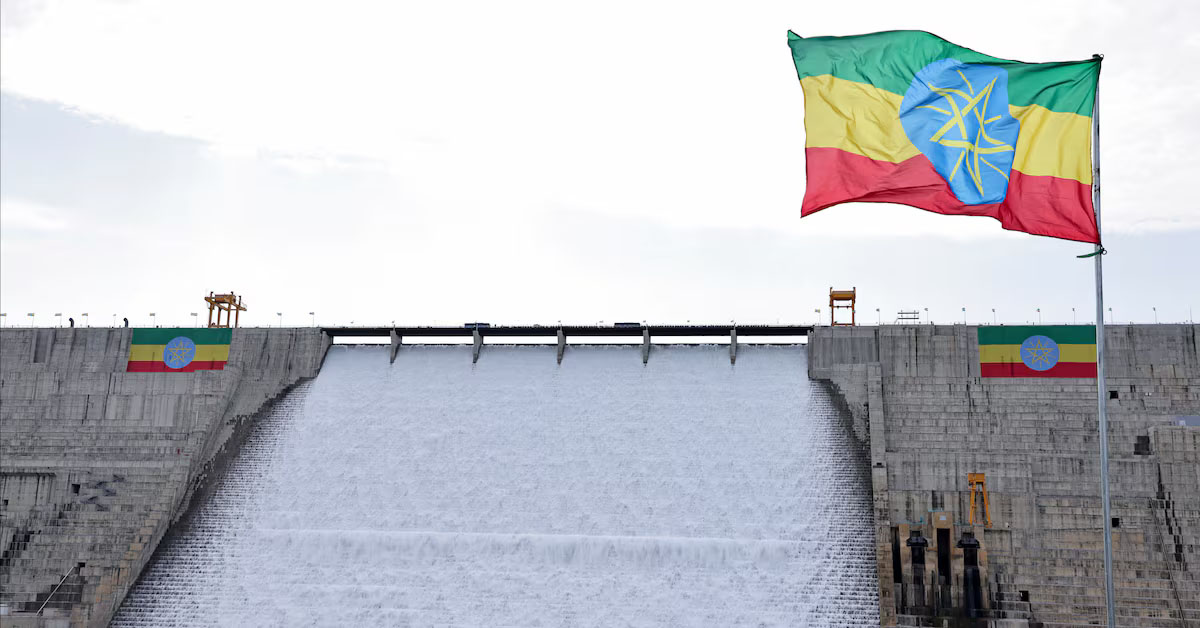
Ethiopia has officially opened the Grand Ethiopian Renaissance Dam (GERD), the continent's largest hydroelectric power project, marking a historic milestone for the nation and its neighbors. The $5 billion dam, located on the Blue Nile in Guba, is expected to generate 5,150 megawatts of power, nearly doubling Ethiopia's electricity capacity and supplying millions of people across the region.
At Tuesday's inauguration, Prime Minister Abiy Ahmed addressed a crowd of dignitaries, including the presidents of Somalia, Djibouti, and Kenya. Speaking beneath a massive Ethiopian flag, Abiy emphasized the dam's peaceful purpose.
"To our brothers in Sudan and Egypt, Ethiopia built this dam to prosper and electrify the region, not to harm anyone," he declared.
The GERD, which began construction in 2011, has been a symbol of national pride, with 91% of its funding coming from the Ethiopian government and citizens through bond purchases and donations. Despite progress, nearly half of Ethiopia's 120 million people still lack reliable access to electricity, especially in rural areas.
However, the dam has sparked fierce opposition from Egypt and Sudan, who fear that Ethiopia's control over the Nile's flow could threaten their water security. Egypt, which relies on the Nile for 90% of its freshwater, argues that the dam violates historic water treaties. In a letter to the United Nations Security Council, Cairo condemned the opening as a breach of international law and warned it would take all necessary measures to protect its people.
Sudan has echoed calls for a legally binding agreement on the dam's filling and operation. While it also stands to benefit from improved flood control and affordable energy, Khartoum remains wary of potential risks.
Ethiopia has countered these fears, citing independent studies showing no major disruptions to downstream water flow since gradual filling began in 2020. Favorable rainfall and careful management have so far prevented shortages.
Locally, the benefits are already visible. Sultan Abdulahi Hassan, a farmer living near the dam, shared, "We now have refrigerators. We can drink cold water. Electricity has changed our lives."
Abiy hailed the dam as a transformative force for Ethiopia and Africa, predicting annual revenues of $1 billion from power exports. Despite ongoing tensions, he framed the GERD as a shared opportunity for regional growth and cooperation.