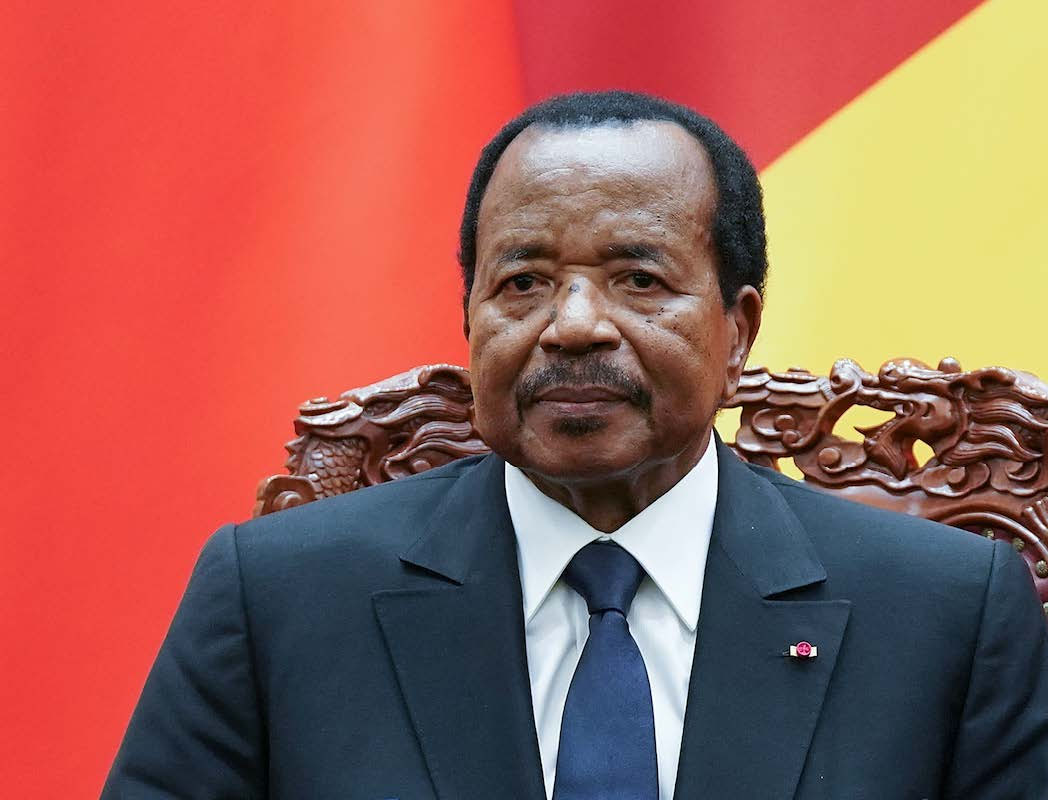
Photo Credit: Getty Images
Cameroon's political stage is once again dominated by a familiar figure, President Paul Biya, who at 92 years old is seeking his eighth term in office. His decision comes during growing calls for change, including rare criticism from his own daughter, Brenda Biya, who recently posted on TikTok urging Cameroonians to "vote him out."
Though Brenda later retracted the statement, it sparked widespread debate about the president's lengthy rule. Biya has been in power since 1982, making him the world's oldest head of state. Despite health rumors, economic stagnation, and rising discontent, he remains a strong contender as Cameroon prepares for its October 12 election.
His longevity in power can be credited to a combination of political control and institutional loyalty. Analysts note that Biya's government maintains a tight grip through patronage networks, a loyal military, and an electoral system often criticized for bias. "When it comes to the president, there is no independent thinking," said Arrey Ntui of the International Crisis Group.
Over the decades, Biya has weathered coups, constitutional changes, and opposition challenges. In 2008, he removed presidential term limits, ensuring his continued dominance. Yet, public frustration grows over corruption, poor infrastructure, and lack of basic services. His prolonged absences from public view have only fueled speculation about his health.
Despite these concerns, Biya's control over the electoral process gives him a significant advantage. His primary rival, Maurice Kamto, was recently declared ineligible to run, effectively clearing Biya's path to re-election. Critics argue that such moves undermine democratic integrity, but in Cameroon, dissent rarely translates into real political change.
Whether Biya's reign ends or endures, this year's election may prove a turning point in Cameroon's long, complex political story.